Content
Un responsable des opérations dans une usine de fours rotatifs nous a récemment demandé dans quelle mesure un brûleur à gaz changerait sur une ligne qui a toujours alimenté du fioul lourd. La réponse courte est que cela modifie les deux chiffres sur lesquels l'usine est mesurée : le coût du carburant par tonne de produit et la conformité en matière d'émissions. Un brûleur à gaz réagit aux changements de charge en quelques secondes, maintient le profil de température du four plus serré que n'importe quelle flamme à combustible liquide et assure une combustion propre avec moins d'excès d'air. Ces différences déterminent si un lot de matériau calciné est cohérent ou doit être retravaillé.
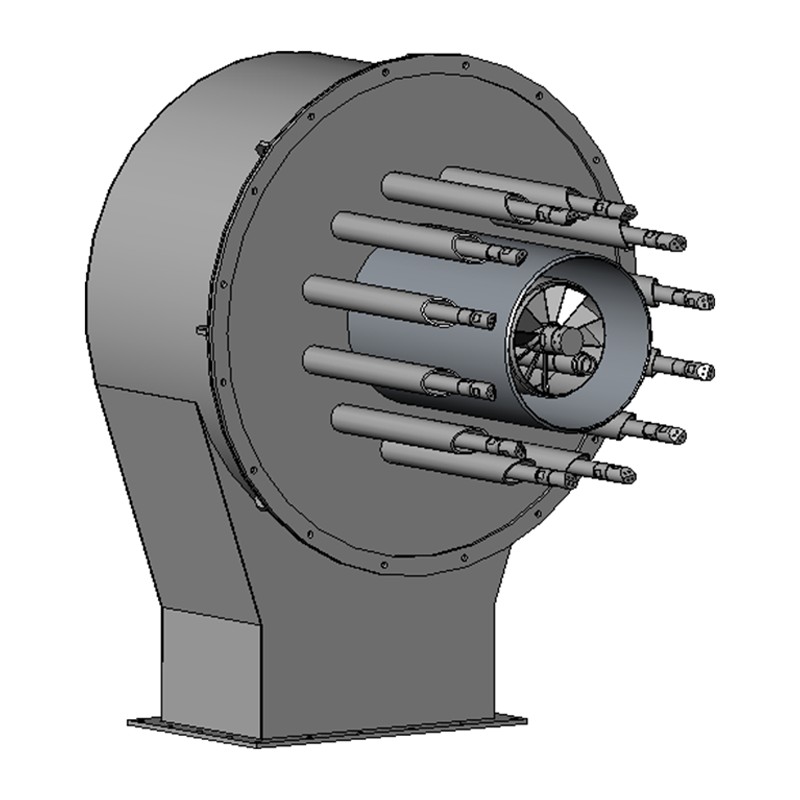
Un brûleur à gaz industriel est un dispositif qui convertit l'énergie chimique d'un combustible gazeux en une flamme contrôlée et stable à l'intérieur d'un four, d'un four ou d'une chaudière. Le gaz naturel est le combustible le plus courant, mais la même plate-forme de brûleur peut brûler du GPL, du GNL, de l'hydrogène, du biogaz ou des gaz d'échappement d'usine. Ce qui le distingue d'un simple chalumeau à gaz est l'intégration du circuit de gaz, de l'alimentation en air de combustion, de la stabilisation de la flamme et des verrouillages de sécurité dans un seul ensemble technique.
Chaque brûleur à gaz remplit quatre fonctions : réguler l'alimentation en combustible, le mélanger avec la bonne quantité d'air de combustion, stabiliser la flamme au niveau de la buse et façonner la flamme de manière à ce que la chaleur soit libérée là où le processus en a besoin. Le train de gaz gère la pression et le comptage ; le ventilateur d'air de combustion contrôle le comburant ; la tête de rétention de flamme crée une zone d'allumage stable ; et le système de contrôle ajuste le rapport carburant-air en continu à mesure que la charge change. Lorsqu’une de ces fonctions est sous-dimensionnée, le brûleur devient le goulot d’étranglement de toute la chaîne de production.
Le carburant gazeux n'est pas une substance fixe. Le gaz naturel varie en termes de teneur en méthane et de pouvoir calorifique, l'hydrogène brûle plus rapidement et plus chaud, et le biogaz transporte une part différente de gaz inertes. Les ingénieurs en combustion décrivent cette variation avec l'indice de Wobbe, qui normalise le pouvoir calorifique en fonction de la densité du gaz. Un brûleur destiné au changement de combustible doit être conçu autour de la gamme Wobbe de tous les combustibles candidats, et non autour d'un seul échantillon ponctuel. Ce petit détail au stade de la spécification évite une instabilité coûteuse de la flamme après la mise en service.
Les brûleurs à gaz industriels sont regroupés en quelques familles de conception, et les différences entre eux se manifestent par la longueur de la flamme, le réglage et la tolérance à l'air préchauffé. Choisir la mauvaise famille au départ, c'est vivre avec une flamme inefficace pendant toute la durée de vie de l'équipement.
Dans un brûleur à mélange de buses, le combustible et l'air de combustion se rencontrent à la sortie du brûleur et se mélangent par turbulence le long de la flamme. La flamme est longue et lumineuse, ce qui convient aux fours rotatifs et aux grandes chambres de four où la chaleur doit être libérée progressivement le long de l'axe du processus. Les brûleurs à mélange à buses tolèrent également un préchauffage élevé de l'air de combustion, un avantage majeur dans les installations équipées de systèmes à vent chaud ou de récupération de chaleur perdue.
Brûleurs à prémélange combine fuel and air before the flame front, so combustion is fast and the flame is short and intense. This makes them the preferred choice for compact heating furnaces, dryers, and fired heaters where heat must be concentrated in a small volume. The trade-off is a higher sensitivity to flashback and a lower tolerance for highly preheated air.
De nombreuses usines refusent de se limiter à une seule source de combustible. Les brûleurs à gaz multi-combustibles peuvent basculer entre le gaz naturel, le GPL, l'hydrogène et le combustible liquide, soit pendant le fonctionnement, soit après une procédure de changement définie. Pour une ligne de four rotatif, cela crée deux avantages commerciaux : l’usine peut acheter du combustible au comptant et elle peut augmenter progressivement la part de l’hydrogène à mesure que l’approvisionnement devient disponible. Le système de contrôle est plus complexe, mais pour de nombreux opérateurs, cette complexité constitue un juste prix pour la sécurité du carburant.
| Famille de conception | Caractère de flamme | Application typique | Contrainte principale |
|---|---|---|---|
| Mélange par buse | Longue, lumineuse | Fours rotatifs, grands fours | Nécessite une longueur de chambre pour un épuisement complet |
| Prémélange | Court, intense | Fournaises, séchoirs, radiateurs à feu | Risque de retour de flamme en cas de préchauffage élevé |
| Multi-carburant | Varie selon le carburant | Centrales ayant des besoins de flexibilité énergétique | Complexité accrue du système de contrôle |
Les arguments commerciaux en faveur du chauffage au gaz se résument à quatre résultats mesurables : un contrôle plus strict de la température, un excès d’air réduit, moins de contaminants de combustion et un calendrier d’entretien plus simple. Ce sont des conséquences directes du tir d’un gaz propre et prévisible plutôt que d’un liquide atomisé ou d’un solide pulvérisé.
Une installation qui remplace un brûleur existant ou équipe une nouvelle ligne a besoin d'équipements dimensionnés pour le process, non adaptés d'un catalogue. Le gamme de brûleurs à gaz industriels de GeneralFlame est conçu pour un service continu et couvre les capacités thermiques depuis les réchauffeurs de procédé jusqu'aux brûleurs principaux du four rotatif pleine grandeur, avec le circuit de gaz et la logique de contrôle adaptés aux spécifications du combustible. Cette portée du fournisseur unique est ce qui rend les garanties de performance exécutoires dans la pratique.
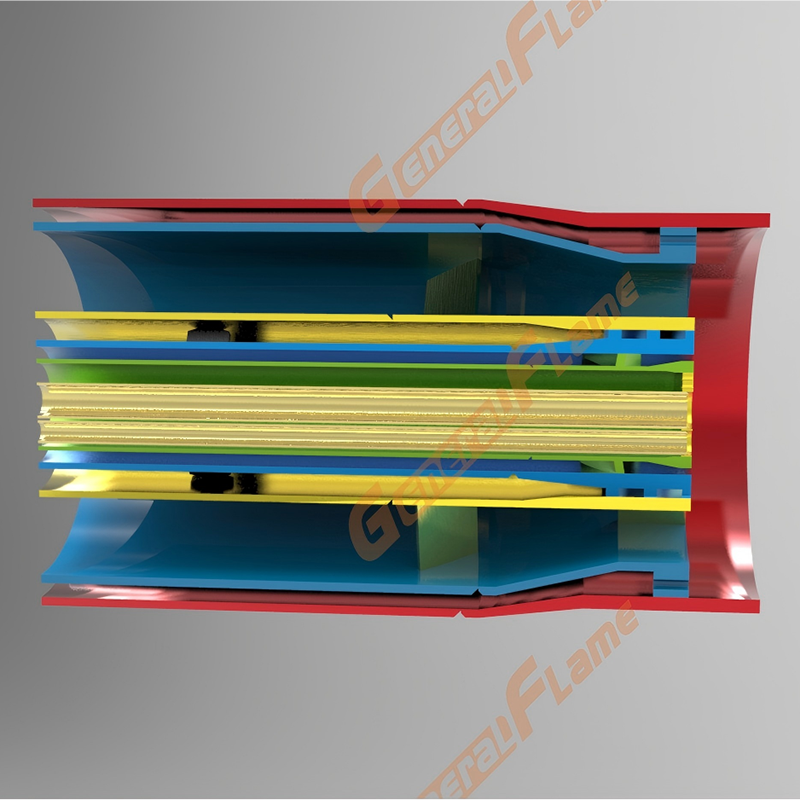 Fabricants, fournisseurs, usine OEM/ODM de brûleurs à gaz personnalisés - Jiangsu Jufen Jiangsu Jufeng Thermal Technology Co., Ltd est un fabricant chinois de brûleurs à gaz personnalisés et des fournisseurs de brûleurs à gaz OEM/ODM, usine, D... Voir le produit →
 Les brûleurs à gaz sont la source de chaleur standard dans la production de ciment et de chaux, la calcination des métaux non ferreux, la conversion du sel de lithium, le traitement de la latérite de nickel, la production de magnésium, le reformage du méthane à la vapeur et le traitement des déchets. Dans chaque cas, le profil de température à l’intérieur du four détermine le résultat chimique.
Le four rotatif est l’application la plus difficile pour n’importe quel brûleur. La flamme doit être suffisamment longue pour transférer la chaleur le long de l'axe du four, mais suffisamment stable pour éviter les points chauds sur le réfractaire ou à l'extrémité d'alimentation. La cuisson au gaz donne à l'ingénieur un contrôle direct sur le tourbillon, l'impulsion et l'étagement de l'air, c'est pourquoi presque tous les nouveaux fours au lithium, au nickel et à la magnésie sont spécifiés pour le gaz. Notre Projet de brûleur de four rotatif lépidolite illustre le résultat : l'adaptation du profil de flamme à la fenêtre étroite de décomposition thermique du minerai a stabilisé à la fois le rendement et la pureté du produit.
Lorsque le four a besoin d'un ensemble complet de dégagement de chaleur, GeneralFlame fournit brûleurs à gaz à four rotatif ainsi que la gestion des brûleurs et la logique de sécurité des flammes, de sorte que la responsabilité de la conception de la combustion incombe à un seul fournisseur.
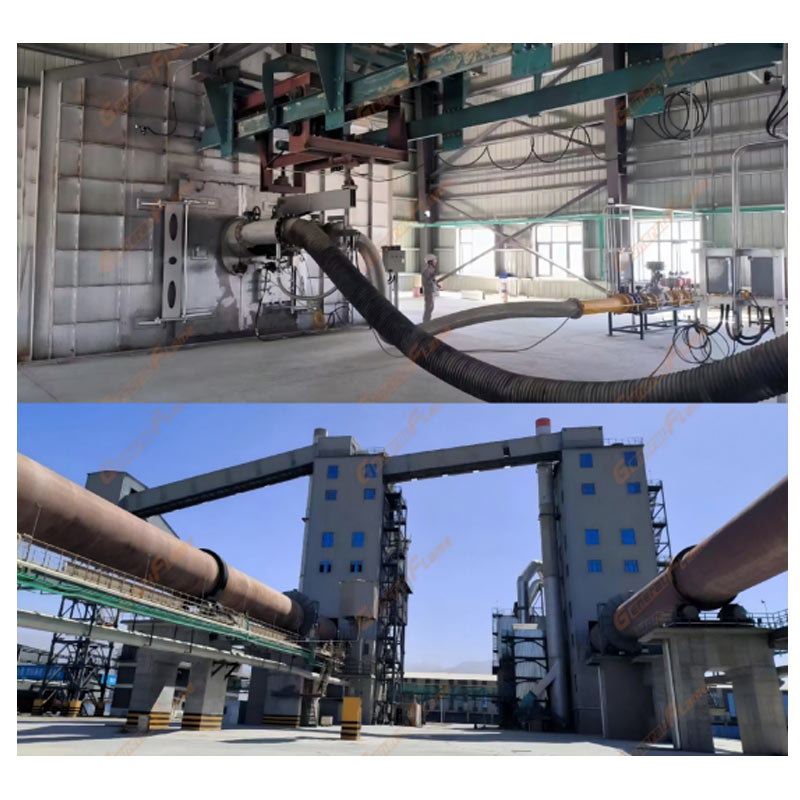 Brûleur de four rotatif pour fabricants et fournisseurs de cimenterie En tant que brûleur de four rotatif de Chine pour les fabricants de cimenteries et fournisseurs de brûleurs de four à chaux OEM/ODM, usine, Jiangsu Jufeng Thermal Techno... Voir le produit →
 Les fours de chauffage dans le traitement des métaux, les hauts fourneaux chauds dans le traitement des minéraux et les appareils de chauffage dans les usines chimiques reposent tous sur une réponse rapide et une combustion propre du gaz. Ces applications spécifient souvent une atmosphère de four plutôt qu'un simple point de consigne de température, et la cuisson au gaz est le moyen le plus direct de contrôler les conditions oxydantes et réductrices à l'intérieur de la chambre. Jufeng solutions technologiques pour les fours industriels et la combustion couvrent la sélection du brûleur, l’intégration du contrôle et le réglage sur site pour cette classe d’équipement.
Les brûleurs à gaz des reformeurs de méthane à vapeur fournissent la chaleur qui alimente la réaction de reformage endothermique. Les opérateurs spécifient désormais régulièrement des brûleurs prêts à l'hydrogène afin que le même équipement puisse accepter du carburant enrichi en hydrogène à mesure que la feuille de route de décarbonation de l'usine se développe. La stabilité de la flamme et la détection de flamme à des fractions d'hydrogène élevées sont les détails qui décident si un brûleur peut être converti ou doit être remplacé.
La formation d'oxyde d'azote est fonction de la température de la flamme et de la concentration en oxygène au niveau du front de flamme. Un brûleur à gaz conçu dès le départ pour un faible niveau de NOx peut respecter des limites strictes avec une combustion étagée et une recirculation interne des gaz de combustion, évitant ainsi la chute de pression et les coûts de maintenance d'un grand système deNOx externe.
GénéralOffres Flame brûleurs à gaz à faibles émissions de NOx qui combinent l'étagement de la combustion, l'étagement de l'air et la recirculation interne des fumées dans un seul corps de brûleur. En fonction de la composition du combustible et de la température du four, ces conceptions maintiennent les NOx dans les limites nationales actuelles tout en maintenant une flamme stable à faible charge.
 Fabricants de brûleurs industriels personnalisés à faible émission de Nox, fournisseurs de brûleurs à faible émission de Nox Jiangsu Jufeng Thermal Technology Co., Ltd est un fabricant chinois de brûleurs industriels à faible teneur en NOx et des brûleurs à faible teneur en NOx pour fours industriels OEM/ODM ... Voir le produit →
 La modernisation est toujours plus coûteuse que la spécification. Le brûleur est le principal dispositif de contrôle des émissions de tout four, et il doit être sélectionné en gardant à l'esprit le certificat d'émission, et non après coup.
La sélection doit aller des exigences du processus jusqu'à la puissance nominale du brûleur. Si vous évaluez uniquement la capacité thermique, vous obtenez un brûleur qui s’allume mais ne correspond pas au processus. Parcourez les six points ci-dessous dans l’ordre.
Les brûleurs ne représentent qu'une petite partie d'une ligne de four en termes de masse, mais ils décident de la facture de combustible, du certificat d'émission et de la consistance du produit pendant une décennie ou plus. L'équipe d'ingénierie de combustion de Jiangsu Jufeng Thermal Technology a appliqué ce processus à des projets de lithium, de nickel, de ferrosilicium, de magnésie et de traitement des déchets. Si vous évaluez un brûleur à gaz pour un four ou un fourneau, contactez nos ingénieurs avec vos données de combustible et les paramètres du four pour une évaluation technique.




 Fabricants d'équipements thermiques et de combustion haute performance (OEM/ODM)
 English
 русский
 Français
 Español
 عربى
عربى