Content
Lorsqu’un four rotatif perd soudainement la stabilité de sa flamme, le coupable n’est généralement pas le brûleur lui-même mais le combustible liquide qui l’alimente. Le mazout lourd stocké dans un réservoir de stockage non chauffé, le diesel avec un ensemble d'additifs changeant ou un mélange d'huiles dérivées de déchets avec une viscosité incohérente peuvent tous transformer un système de combustion bien réglé en une source de pulsations, d'accumulation de carbone et d'arrêts imprévus. Comprendre comment un brûleur à combustible liquide industriel relève réellement ces défis fait la différence entre la spécification d'un équipement et la construction d'un système de combustion fiable.
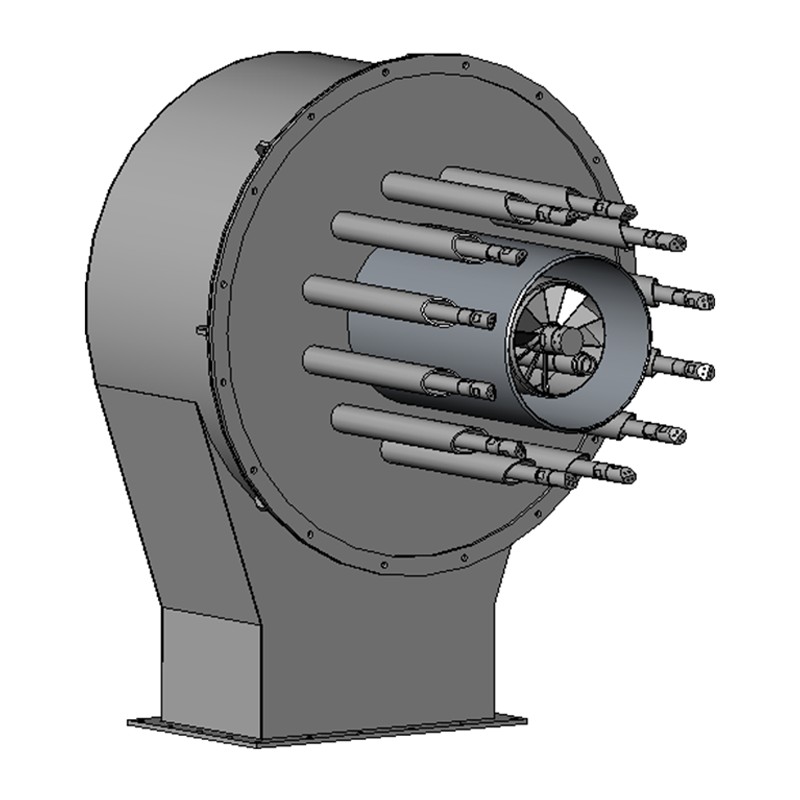
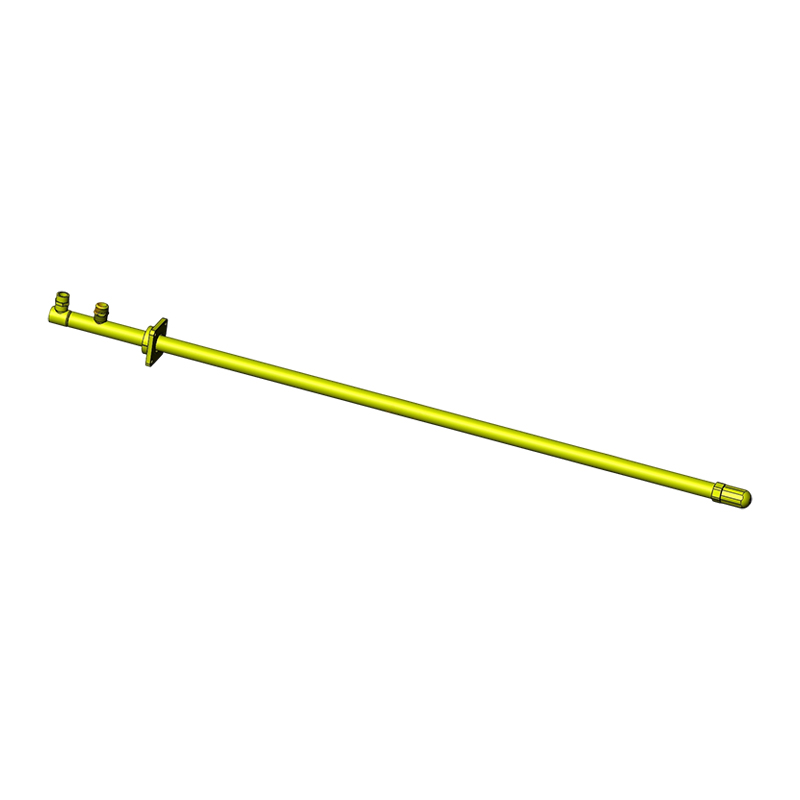
Un brûleur à combustible liquide dans un four rotatif ou un four de chauffage n'est pas un simple ensemble buse et étincelle. Il s'agit d'un système coordonné de conditionnement du carburant, d'atomisation, de mise en forme de la flamme et de contrôle de sécurité. Le brûleur doit transformer un liquide qui ne veut pas brûler proprement en un fin spray qui le fait. Cela nécessite une attention particulière à trois facteurs : la viscosité, la qualité de l'atomisation et le mélange de l'air de combustion.
La viscosité est le premier obstacle. Le fioul ne s’écoule pas comme l’eau à température ambiante. Le diesel n°2 est relativement léger, mais le mazout lourd, le pétrole résiduel dérivé du brut et de nombreux carburants liquides dérivés des déchets sont suffisamment épais pour provoquer des difficultés dans la pompe et obstruer la buse. Le brûleur doit être associé à un système de préchauffage qui amène le carburant à une température où sa viscosité tombe dans la plage avec laquelle l'atomiseur peut fonctionner, généralement inférieure à 20 centistokes pour une atomisation sous pression et inférieure à 10 centistokes pour un siphon ou une atomisation à deux fluides.
La qualité de l'atomisation affecte directement la forme de la flamme et l'efficacité de la combustion. Un flux de carburant mal atomisé produit de grosses gouttelettes qui ne brûlent pas complètement avant de heurter la paroi réfractaire. Cela entraîne une surchauffe localisée, des dépôts de carbone et une augmentation des émissions de monoxyde de carbone. Un atomiseur qui brise le carburant en un fin brouillard, que ce soit sous pression, par air comprimé ou par vapeur, permet à la vapeur de carburant de se mélanger rapidement à l'air de combustion et de libérer sa chaleur dans un volume contrôlé.
De nombreux exploitants industriels n’ont pas le luxe de brûler une qualité de carburant constante toute l’année. Une fonderie de nickel peut fonctionner au fioul lourd en un mois et passer à un solvant recyclé plus léger le mois suivant. Un four à ciment peut co-brûler des déchets liquides avec du charbon ou du coke de pétrole. Un brûleur à combustible liquide qui ne répond qu’à une seule spécification devient une contrainte et non une solution.
| Type de carburant | Viscosité typique à 50°C | Préchauffage requis | Application typique |
|---|---|---|---|
| Diesel n°2 | 2,0–4,0 cSt | Aucun à allumer | Start-up, chauffage industriel léger |
| Fioul lourd n° 6 | 180-400 cSt | Oui, 100-130°C | Fours rotatifs, chaudières industrielles |
| Combustible liquide dérivé des déchets | Variable | Oui, cela dépend du mélange | Co-traitement dans les fours à ciment et à déchets |
| Mélanges de pétrole brut/résiduel | 50 à 300 cSt | Oui, préchauffage par étapes | Fours de fusion, production de nickel et de zinc |
La nécessité de gérer plusieurs types de combustibles sans réinstaller le brûleur ni changer les buses a poussé de nombreux fabricants vers des conceptions multicombustibles. Un brûleur à combustible liquide bien conçu comprend une vanne doseuse avec un rapport de régulation large, des pointes d'atomisation interchangeables et un circuit de combustible qui tolère les variations de densité et de point d'éclair. Ce n’est pas seulement une question de commodité ; c'est une garantie contre la volatilité de l'approvisionnement en carburant et la hausse des coûts d'élimination des fractions de carburant craquées.
La forme de la flamme est aussi importante que sa température. Dans un four rotatif, la flamme doit fournir une chaleur rayonnante au lit de matériau sans empiéter sur le revêtement réfractaire. Une flamme longue et paresseuse peut laisser la zone de frittage sous-chauffée, tandis qu'une flamme courte et touffue peut surchauffer l'anneau nasal ou créer des conditions réductrices qui dégradent la qualité du clinker ou la récupération du métal.
Pour le combustible liquide, la forme de la flamme est contrôlée par le registre d'air interne du brûleur et l'impulsion du milieu d'atomisation. Les aubes réglables permettent à l'opérateur de modifier l'intensité du tourbillon, ce qui modifie la longueur et la propagation de la flamme. Un brûleur de conception rigide oblige l'ingénieur en combustion à accepter le type de flamme produit par le combustible, ce qui conduit souvent à un compromis entre la qualité des matériaux et la durée de vie du réfractaire. La meilleure approche est un brûleur qui permet de régler la vitesse de l'air et le tourbillon pendant que le four est en fonctionnement, en réponse aux changements de débit d'alimentation, de qualité du combustible ou de tirage.
Lors de la combustion de combustibles liquides à haute teneur en asphaltènes ou en résidus de métaux lourds, le risque d'épuisement incomplet augmente. Une flamme trop courte dans la zone de mélange laisse des particules de carbone non brûlées qui se déposent sur les systèmes à chaînes ou les cyclones de préchauffage. Un brûleur industriel à combustible liquide doit donc créer une zone de mélange à forte impulsion à proximité de la buse, puis permettre à la flamme de se propager progressivement dans la cavité du four. C'est ici que la construction interne du brûleur est importante : un corps métallique avec un noyau thermiquement stable et un point de fixation stable pour la flamme garantissent que les tourbillons turbulents sont prévisibles.
Aucun brûleur n’est autonome. Le matériel doit être associé à un système de gestion de la combustion qui surveille la présence de la flamme, la pression du carburant, la pression du fluide d'atomisation et le débit d'air de combustion. Pour les combustibles liquides, le risque d'accumulation de combustibles imbrûlés dans le four après une extinction est sérieux, la logique de sécurité doit donc réagir plus rapidement que pour le chauffage au gaz. Les systèmes modernes utilisent des détecteurs de flammes ultraviolets ou infrarouges et des contrôleurs logiques programmables qui ajustent le carburant et l'air en temps réel plutôt que de s'appuyer uniquement sur une liaison mécanique.
Un aspect souvent négligé est le circuit de carburant lui-même : les filtres, les crépines, les vannes d'arrêt et les régulateurs de pression doivent être sélectionnés pour le carburant spécifique. Un carburant liquide riche en résidus peut obstruer un filtre à gaz standard en quelques heures. Les opérateurs qui ont acheté un brûleur à combustible liquide mais qui ont lésiné sur le skid de préparation du combustible apprennent rapidement qu'un brûleur est aussi fiable que le combustible qui l'atteint. Cela inclut le choix du préchauffeur. Les thermoplongeurs électriques sont courants pour les petits systèmes, tandis que les fours plus grands utilisent souvent des échangeurs de chaleur à vapeur ou à huile thermique qui offrent une réponse plus rapide et un contrôle plus uniforme de la température.
Ce qu’il faut retenir en pratique, c’est qu’un brûleur à combustible liquide doit être évalué dans le cadre d’un ensemble de distribution de combustible et de contrôle de la combustion, et non en tant qu’appareil autonome. La pointe du brûleur la plus avancée ne peut pas compenser une pompe à carburant de mauvaise taille ou une alarme de basse température manquante sur la conduite de carburant. Un fabricant compétent posera des questions sur l'analyse du carburant, les utilitaires disponibles et l'architecture de contrôle existante avant de recommander un modèle spécifique.
La plupart des brûleurs à combustible liquide vendus sous le nom de « multicarburant » sont en réalité des variantes qui peuvent être ajustées entre le diesel et quelques qualités connexes. Mais il existe des cas où un brûleur standard ne fournira pas les performances requises. Cela est particulièrement vrai pour les opérations utilisant des solvants recyclés, des huiles contaminées ou des résidus lourds issus de l'industrie pétrochimique. Ces carburants contiennent souvent des solides, des émulsions d'eau ou des composés réactifs qui imposent différents angles d'atomisation, différentes métallurgies de buses et un système de détection de flamme plus robuste.
Un fabricant possédant une expérience spécifique à une application apporte de la valeur à ce stade. Par exemple, un brûleur conçu pour les fours producteurs de lithium doit tenir compte des fines poussières générées par l'alimentation minérale, qui peuvent pénétrer dans le passage de l'air de combustion et perturber le rapport combustible-air. Un four de fusion de nickel, en revanche, peut nécessiter un brûleur qui tolère une atmosphère réductrice et la présence de soufre dans le combustible, affectant ainsi la sélection des matériaux réfractaires dans le corps du brûleur. Ces détails sont rarement visibles dans une brochure mais ils déterminent si le brûleur fonctionne pendant des années ou provoque des arrêts répétés.
Le brûleur à combustible liquide industriel de GENERALFLAME est un exemple d'équipement façonné par de telles conditions de terrain. Il comprend une conception d'atomisation étagée et un large taux de régulation qui gère à la fois les carburants liquides légers et lourds sans nécessiter de changement de buse entre le fonctionnement quotidien et la charge de pointe. Il ne s'agit pas d'un appareil universel, mais il indique comment un fabricant qui voit régulièrement différentes applications de fours rotatifs arrive à un produit qui équilibre la flexibilité du combustible avec un ancrage stable de la flamme.
Les carburants liquides auront toujours une intensité carbone plus élevée que le gaz naturel, mais cela ne rend pas l’efficacité moins importante. La perte de chaleur dans un four à combustible liquide provient souvent de quatre sources : un excès d'air trop élevé, du combustible non brûlé dans la poussière, le rayonnement d'une coque chaude exposée du four et la chaleur évacuée avec le clinker ou le calcinat. Un brûleur qui réduit l'excès d'air de 25 % à 10 % peut améliorer l'efficacité thermique de plusieurs points de pourcentage, ce qui, sur un grand four rotatif, se traduit par des millions de BTU par heure économisés.
Le contrôle des émissions commence également au niveau du brûleur. Le fonctionnement à faible teneur en NOx pour les carburants liquides est plus difficile que pour le gaz, car l'azote lié au carburant présent dans de nombreuses fractions pétrolières contribue à la formation de NOx. Le brûleur doit répartir l'air de combustion de manière à ce qu'une zone primaire riche en combustible réduise la conversion de l'azote, puis introduire l'air restant en aval. Cela nécessite un contrôle précis du tourbillon d’air secondaire, ce qui est plus facile à réaliser avec un brûleur à aubes réglables qu’avec une conception à géométrie fixe. Les opérateurs confrontés à des limites environnementales plus strictes devraient donc se renseigner sur la capacité démontrée de réduction des NOx du brûleur avec du combustible liquide, et pas seulement sur ses performances avec du gaz.
Le monoxyde de carbone est un indicateur utile de la qualité de la combustion. Un brûleur à combustible liquide bien réglé devrait maintenir le CO en dessous de 50 ppm à charge normale, avec une corrélation claire entre l'excès d'oxygène et l'augmentation du CO. Si le CO grimpe alors que l'oxygène est supérieur à 3 %, la qualité de l'atomisation se dégrade probablement, soit parce que la température du carburant a baissé, soit parce que la buse est usée. C’est là que la maintenance de routine devient un contributeur direct à la disponibilité. Nettoyer la pointe de l'atomiseur et vérifier chaque semaine la température du préchauffeur de carburant fera plus pour la fiabilité que d'acheter un modèle de brûleur plus cher.
Choisir un fournisseur de brûleurs à combustible liquide est une décision qui ne se limite pas à comparer les prix. L'acheteur doit examiner comment le fabricant gère les systèmes de support : préchauffage du carburant, sélection des supports d'atomisation, intégration des commandes et assistance à la mise en service. Une entreprise qui a expédié de grands systèmes de combustion pour des projets à l'étranger, tels que le système au fioul lourd livré par GENERALFLAME, démontre qu'elle peut gérer la logistique, la supervision de l'installation et la formation des opérateurs dont un site de projet a besoin.
La base d’expérience du fabricant compte d’une autre manière. Le comportement de combustion du combustible liquide est sensible au diamètre du four, au profil réfractaire et au type de matériau traité. Un brûleur qui fonctionne bien dans un four à ciment peut se comporter de manière imprévisible dans un four à extraction de lithium, où les réactions endothermiques nécessitent une flamme plus longue et plus douce. Demandez des études de cas du même segment industriel et comparez les détails : la longueur de la flamme à chaque charge de fonctionnement, la fenêtre d'air excédentaire obtenue et l'état du réfractaire après un an. Ce sont ces chiffres qui prédisent les performances futures.
Enfin, considérons la position du constructeur sur les carburants alternatifs. Alors que de plus en plus d’exploitants de fours cherchent des moyens de réduire leur dépendance aux combustibles fossiles vierges, le brûleur doit tolérer les fractions liquides récupérées lors des processus chimiques ou du traitement des déchets. La disponibilité croissante de ces combustibles signifie qu'un brûleur acheté aujourd'hui ne devrait pas enfermer l'opérateur dans une spécification étroite de combustible. Les essais avec un échantillon de carburant représentatif avant l'achat sont un signe que le fournisseur comprend les conséquences de la variabilité du carburant.




 Fabricants d'équipements thermiques et de combustion haute performance (OEM/ODM)
 English
 русский
 Français
 Español
 عربى
عربى